Thursday, September 8, 2011

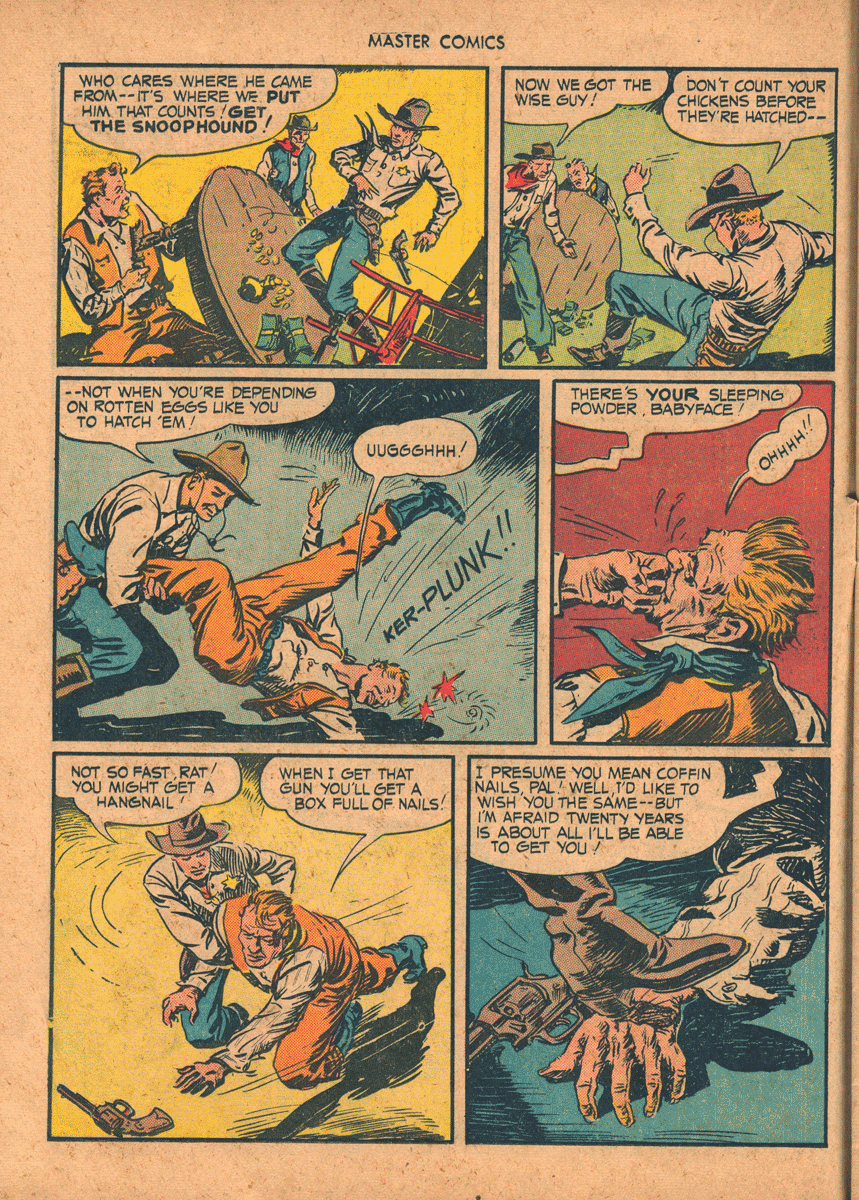
Master Comics #45 (December 1943) Hopalong Cassidy

As a young kid growing up in the 1950s B Western heroes were a special breed. Gene Autry, Roy Rogers, The Cisco Kid, and many others held the allegiance of many children during that period including myself. They had pretty much run their course by the middle of the decade being replaced by more "adult" wild west good guys like Marshall Dillon, Wyatt Earp, Paladin, the Rifleman and others. Hopalong Cassidy was one of the earlier generation heroes that I have fond memories of— from his movies.

Fawcett produced his comic books until they largely left the field in 1953-54 but the Hoppy comic (as he was affectionately called) migrated over to DC Comics where it lasted until 1959. One of the problems with western comics that are largely movie or TV based is the lack of sound and movement that helped to distinguish one western hero from another. Many of these characters have pretty much the same voice--they all sound alike on the comic book page. Hoppy pretty much sounded like any other B-movie western hero in the comics. It is amazing that these comics were as popular for as long as they were. It is a testament to the original film source material then the actual comic itself.

However the artist Harry Parkhurst was a good draftsman who captures the western setting quite well. While the story telling is stilted which comes more from the placement of large quantities of dialog and the over reliance on medium shots. He does have a profile medium shot on page 3 (panel 2) but such variation of camera angle is limited. Parkhurst also worked on Golden Arrow for Fawcett and Western (Dell) on Trigger, Roy Rogers and others.




Wednesday, September 7, 2011

Master Comics #45 (December 1943) Vest Pocket Blitzkrieg

We will be taking the following two weeks off and so we will be doing something special. Over the next several days we are presenting the entire issue Master Comics #45, December 1943. This includes Captain Marvel Jr., Hopalong Cassidy, Bulletman, Balbo, Boy Magician and Minute Man. Enjoy this blast from the Golden Age of Comics.

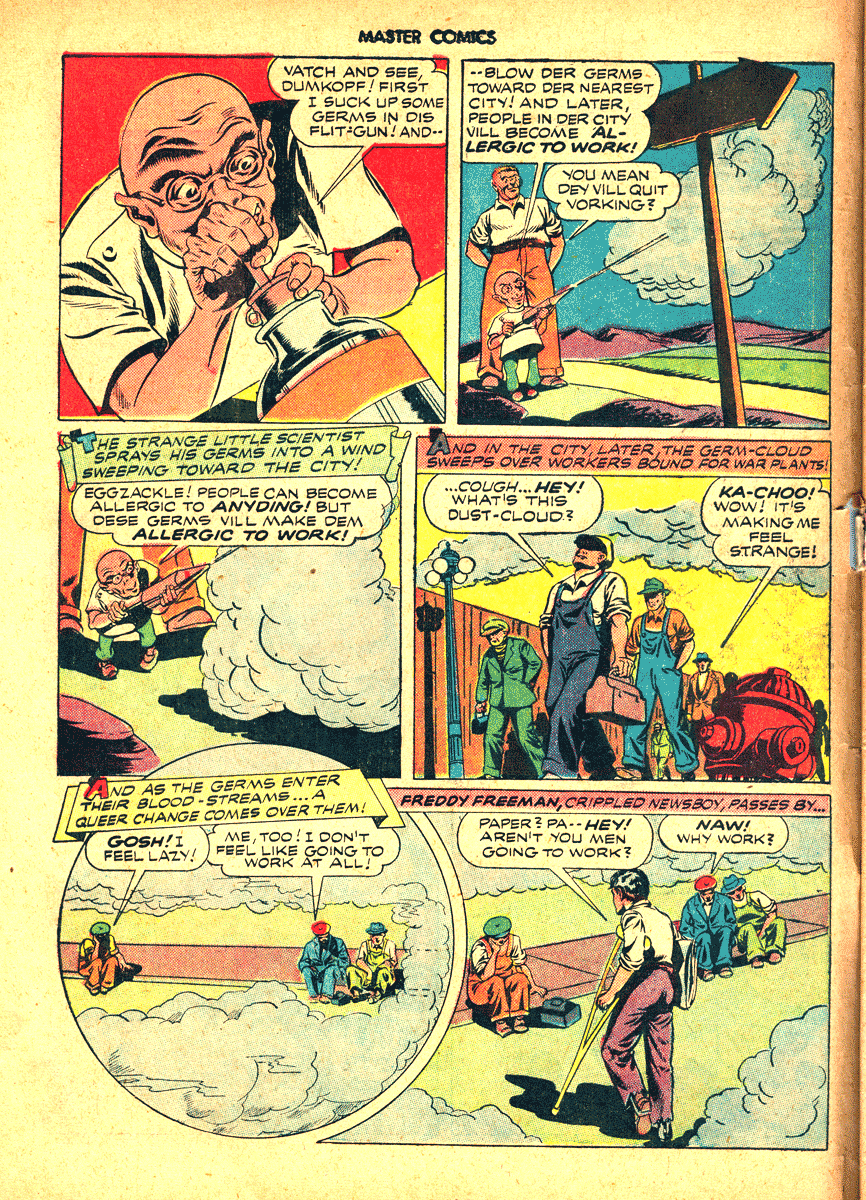
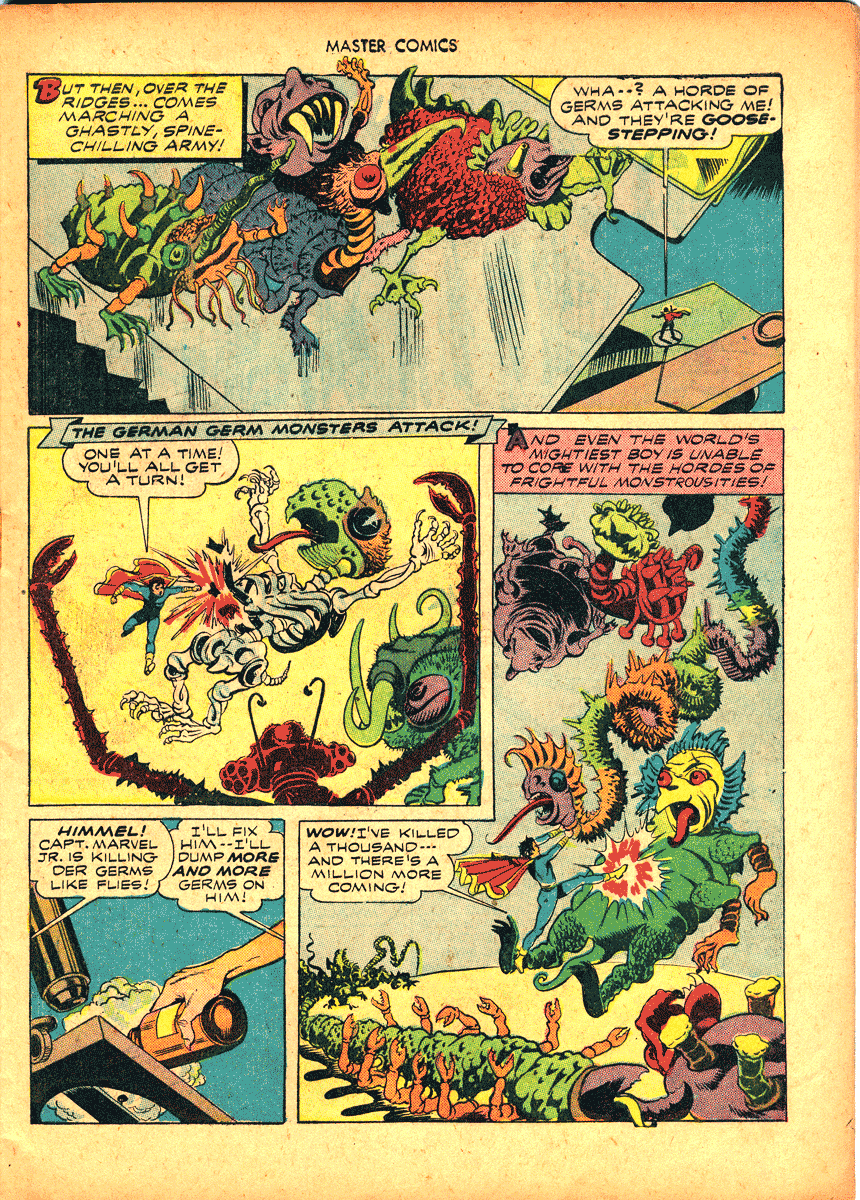
Vest Pocket Blitzkrieg

This tale shows CMJ similar to the Silver Age Atom--shrinking down to microscopic size to battle Nazi saboteurs and hordes of goose stepping German monster germs in a sub atomic world. The enemy is a smart evil dwarf like Prof. Loveless of TV's Wild Wild West. This yarn is kind of goofy yet fun and certainly not politically correct. The story was written by Otto Binder (GCD).


Monday, September 5, 2011

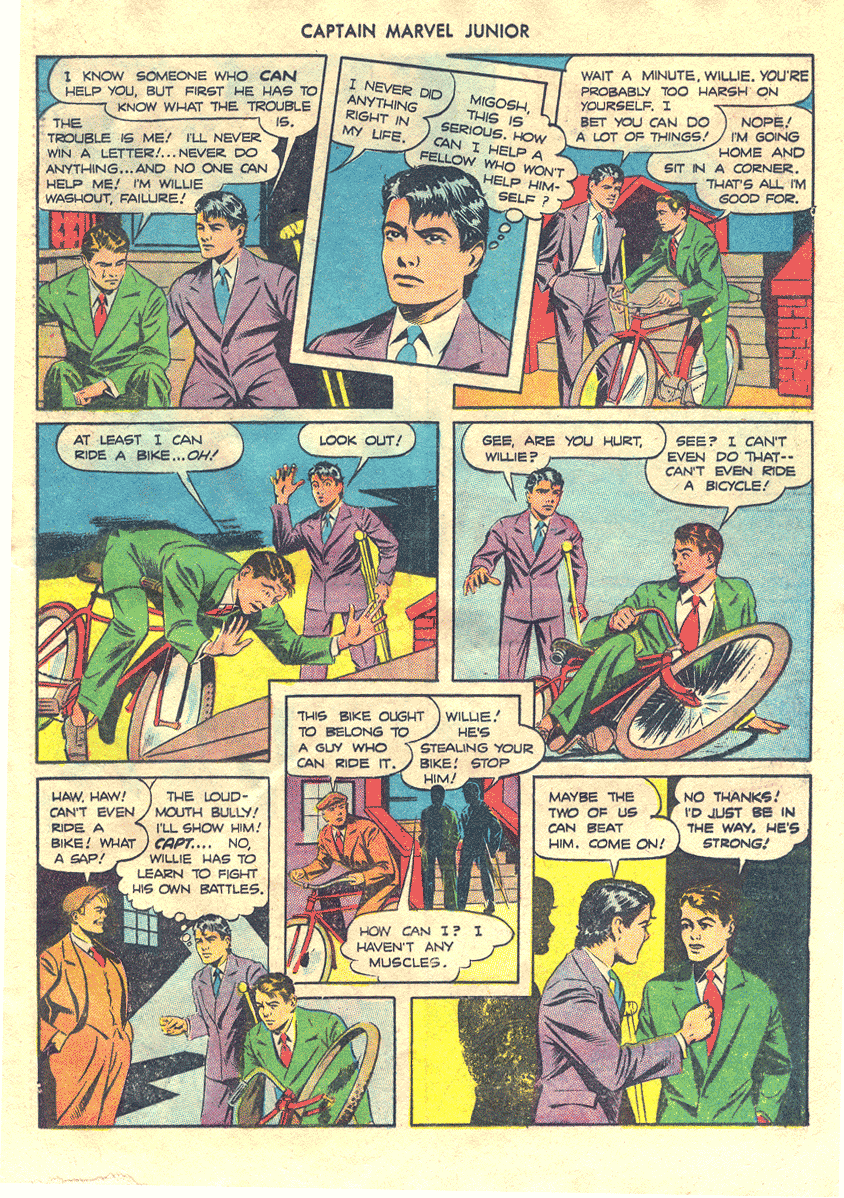
Captain Marvel Jr #22 (The Hopeless Case) Aug. 1944

This is one of those rare stories where Freddy is shown at his school, apparently a high school. This is a personal transformation tale of sorts. This story has Freddy (and CMJ) helping a boy develop confidence in himself. A sort of Charles Atlas/ big brother yarn is one many kids reading the story can identify with. The uncredited art was probably provided by the Fawcett Art Dept.


Monday, August 29, 2011

Captain Marvel Jr #22 (CMJ Rides the Clermont) Aug. 1944

Over the next several weeks we'll be jumping back again to an earlier issues in CMJ's run to Captain Marvel Jr #22, August 1944.

CMJ Rides the Clermont

This tale has a historical connection with Robert Fulton's steamship the Clermont being the focus of the story. We also see Freddy Freeman's friend the boy inventor Sylvester Jones ( first appears in CMJ #17-96, 99). The geography of this story shows that Freddy Freeman was hawking newspapers in New York City or a nearby city. Skyscapers are shown in the background (panel 2 page 1). Al Carreno is credited by GCD with the art on this story.  This researcher believes that Bud Thompson (though perhaps not doing all the penciling) not Al Carreno was involved with the art.


Monday, August 22, 2011

Captain Marvel Jr #79 (CMJ and the Unhappy Clown) Aug. 1949


The moral of this yarn is don't try to be something that you aren't. Do what you are fitted and designed to do. Rico the clown rightly concludes, "Captain Marvel Jr., You've convinced me! From now on, I won't try to be a second rate hero! I stick to what I do best--making people laugh!" The art, by Bud Thompson, fit the story perfectly--it has gentle, whimsical, light-hearted drawings that works very well with this tale. The stories in this issue all have clear moral statements--perhaps Facwett included these obvious moral lessons as a way to counter the growing criticism of comics at the time.


Monday, August 15, 2011

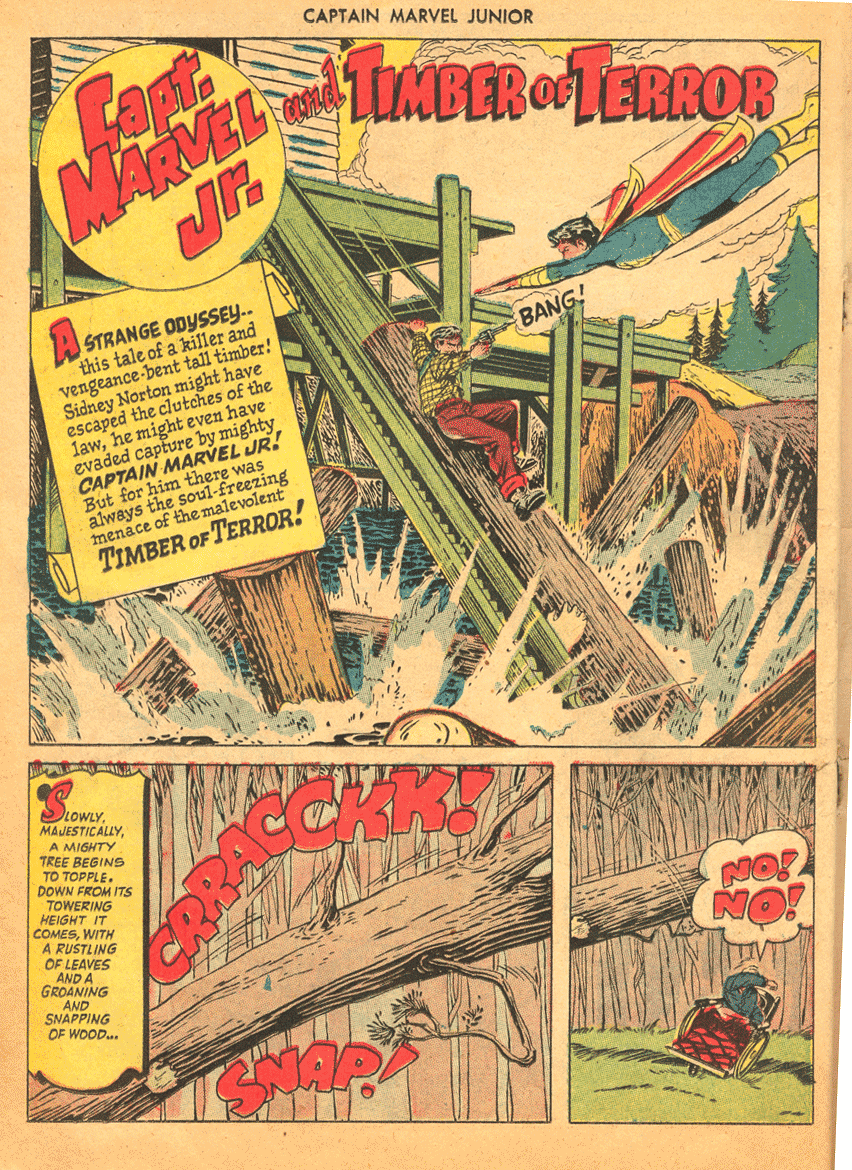
Captain Marvel Jr #79 (Timber of Terror) Aug. 1949

This is an example of a "coincidence story"--with a Twilight Zone feel to it. The writer concludes, "Coincidence? Perhaps...but no one can deny that the fate of Sidney Norton was inextricably bound up with the giant tree that served him as weapon and as agent of justice!..and least we forget, serves him still--as a coffin!" Also we see CMJ using super breath to blow out a fire. Joe Certa provided the art for this story.